TEHRAN, IRAN March 7, 2026*– Iran’s Islamic Revolutionary Guard Corps (IRGC) has issued a provocative statement, declaring that it is “waiting” for United States forces to begin escorting commercial ships through the Strait of Hormuz, a critical chokepoint for global oil trade. This comes amid escalating conflicts in the region, including joint US-Israeli military actions against Iranian targets, which have already disrupted shipping and driven up energy prices worldwide.
The IRGC’s Navy commander has openly challenged US President Donald Trump, urging him to “come escort the ships” while warning that no American warships will be permitted within 800 miles of Iranian waters. IRGC official Mohammad Akbarzadeh emphasized Iran’s “complete control” over the strait, stating it is currently “impossible for any ships to pass through” without facing potential threats, including missile or drone attacks. Reports indicate that over 10 oil tankers have been targeted since the onset of the conflict.
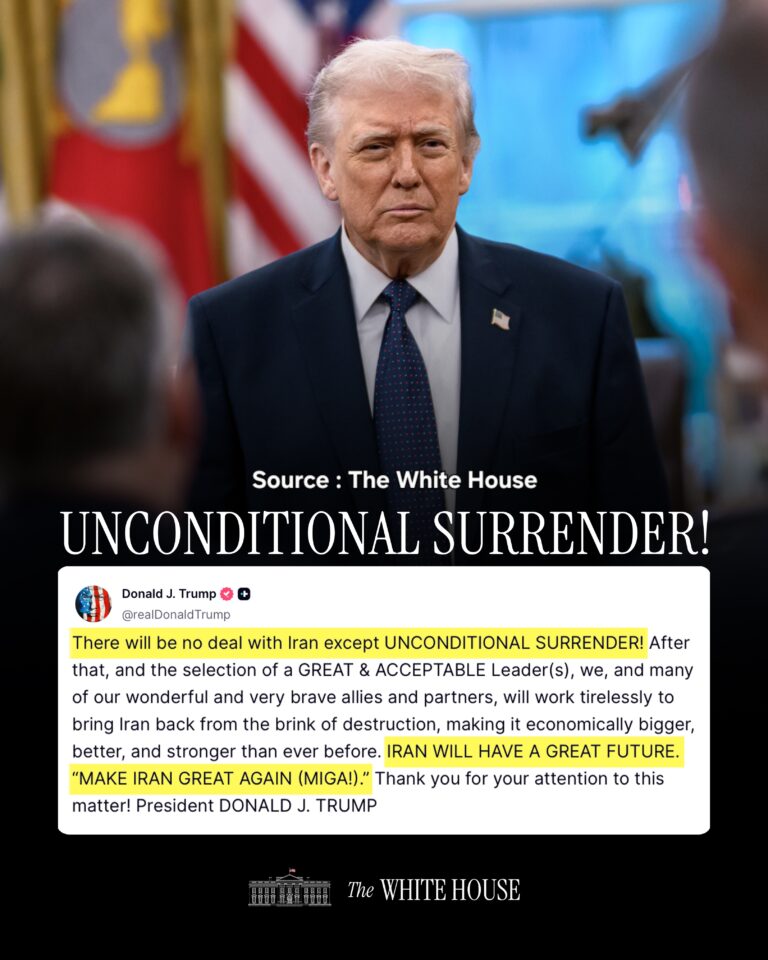
President Trump, in response to the disruptions, announced via Truth Social that the US Navy would commence escorting oil tankers “as soon as possible” to safeguard the “free flow of energy to the world.” He underscored America’s economic and military superiority, hinting at further measures to counter Iranian actions.
The Strait of Hormuz, located between the Persian Gulf and the Gulf of Oman, handles approximately 20% of the world’s oil and a significant share of liquefied natural gas (LNG) exports.
The ongoing US-Israeli war on Iran has led to a virtual closure of the strait, with shipping halted and regional airspace restricted. Despite this, isolated voyages continue under high risk; for instance, the tanker Pola recently navigated the strait by disabling its AIS tracker before loading crude in the UAE. Analysts from Clarksons Research estimate that around 3,200 ships—representing 4% of global tonnage—are currently idle in the Gulf, with hundreds more waiting offshore.
The IRGC’s fast attack boats, known for their speed and ability to deploy mines or swarms of drones, pose a significant threat to any naval escorts.
Global repercussions are already evident. Brent crude prices have surged above $82 per barrel, marking a 13% increase since the conflict intensified—the highest level since July 2024. Countries reliant on Gulf energy, such as India, China, Japan, and South Korea, face fuel shortages, prompting rerouting efforts like Pakistan’s shift to Saudi Arabia’s Red Sea ports. Maritime insurers have withdrawn war risk coverage for the region, further escalating costs.
Reactions on social media platform X reflect a mix of defiance and concern. One user noted, “This isn’t just a statement; it’s a dare,” highlighting the IRGC’s readiness for confrontation. Another post from Saudi Arabia warned Iran against “misguided calculations,” underscoring regional apprehensions.
As tensions mount, the international community watches closely, with potential for broader conflict that could further destabilize global energy markets. The US has not yet detailed the timeline for naval operations, but IRGC spokesman Ali Mohammad Naini advised recalling past tanker incidents before proceeding.
Life News Agency will continue to monitor developments in this fast-evolving situation.
About The Author