TEHRAN February 28, 2026 – Iran’s Foreign Minister Abbas Araghchi has reached out to his counterparts in the Persian Gulf countries to clarify that Tehran’s ongoing retaliatory strikes are directed exclusively at U.S. military installations in the region, not at any sovereign nations or their citizens.
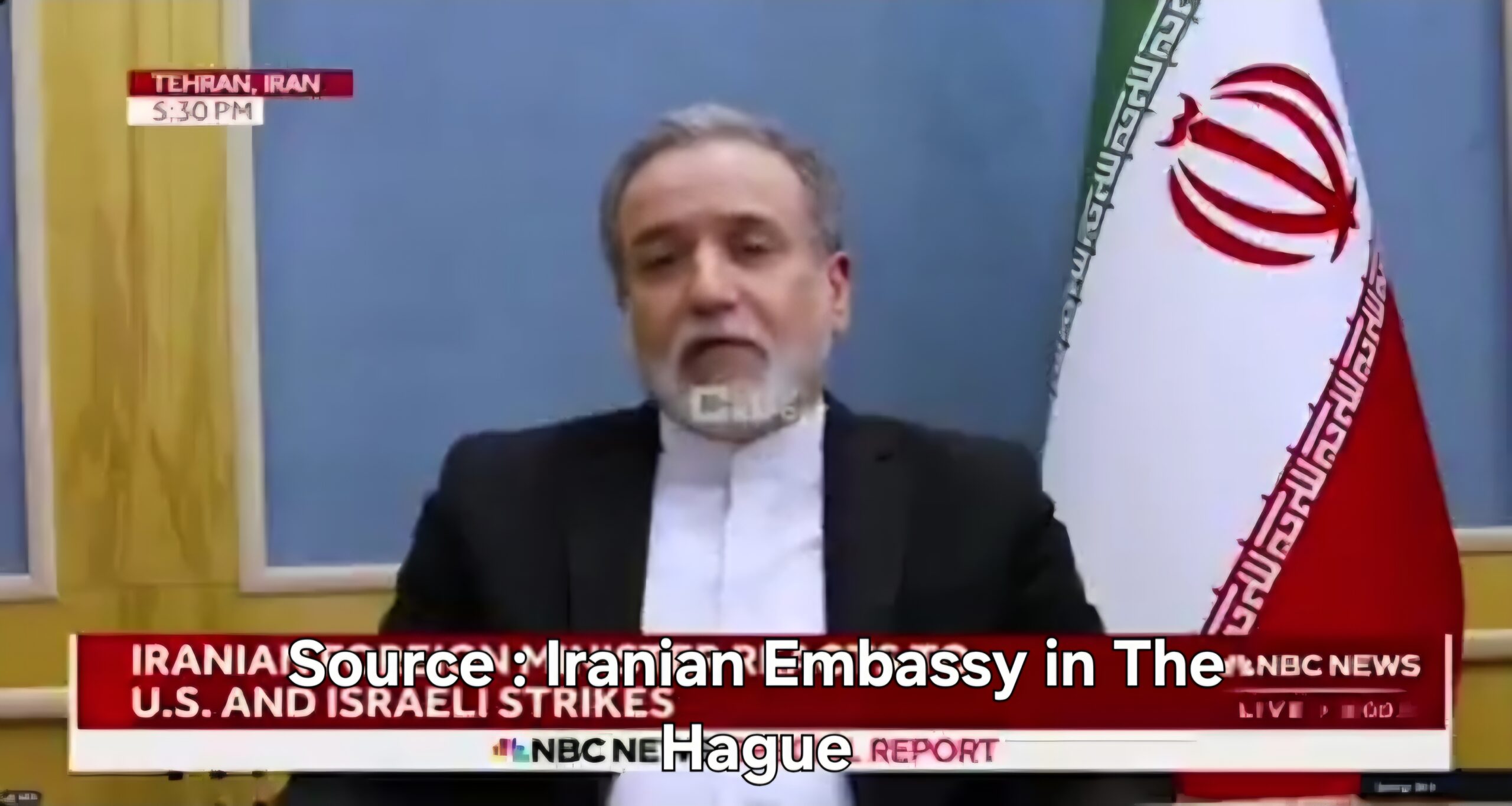
In a statement posted on X (formerly Twitter) by the Iranian Embassy in The Hague on Saturday, February 28, Araghchi said:
*”I spoke with my counterparts in the Persian Gulf countries: These strikes were not directed at anyone, only U.S. bases in the region. We cannot sit idle while our security is threatened.”*
The embassy accompanied the statement with video footage of the remarks and used the hashtags #DefendIran #PersianGulf #NoToAggression.
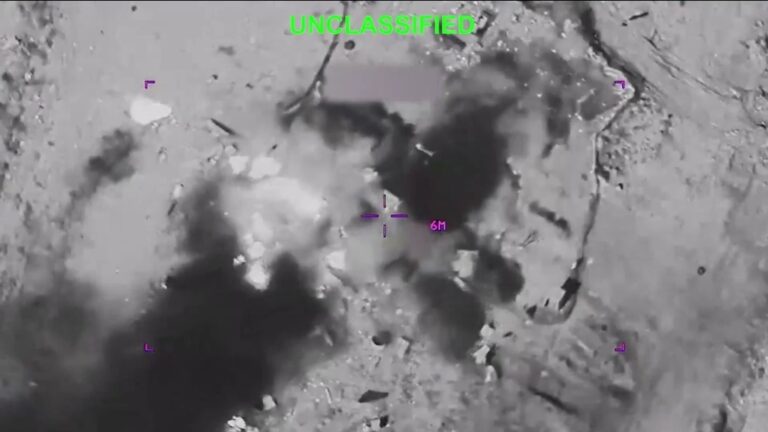
The diplomatic outreach comes just hours after the United States and Israel launched a major joint military operation against multiple targets inside Iran on February 28, 2026. The strikes, described by U.S. officials as targeting Iranian military, ballistic missile, and nuclear-related sites, prompted an immediate Iranian response.
Iran’s Islamic Revolutionary Guard Corps (IRGC) confirmed it fired ballistic missiles and drones at Israeli targets and several U.S. military facilities across the Persian Gulf, including:
– The U.S. Fifth Fleet headquarters in Bahrain
– Al Udeid Air Base in Qatar
– Al Dhafra Air Base in the United Arab Emirates
– Ali Al Salem Air Base in Kuwait
– Other U.S. assets in Jordan and the region
Iranian officials have repeatedly described the actions as legitimate self-defense under international law and have called on Gulf states to help prevent further escalation.
In separate interviews with international media, including NBC News, Araghchi reiterated Iran’s interest in de-escalation, stating Tehran is ready to engage in talks once the attacks on its territory cease. He also confirmed that Iran’s top leadership, including Supreme Leader Ayatollah Ali Khamenei and President Masoud Pezeshkian, remain alive and in control.
Regional governments in Qatar, the UAE, Bahrain, and Kuwait have reported intercepting incoming projectiles, with some expressing concern over sovereignty violations while condemning any escalation. Saudi Arabia and other Arab states have urged restraint from all parties.
This rapid diplomatic and military exchange marks one of the most serious confrontations in the Middle East in recent years, raising fears of a broader regional conflict involving multiple nations and U.S. forces stationed across the Gulf.
Life News Agency will continue to monitor developments as the situation unfolds.
About The Author