
By Ng Kwan Hoong
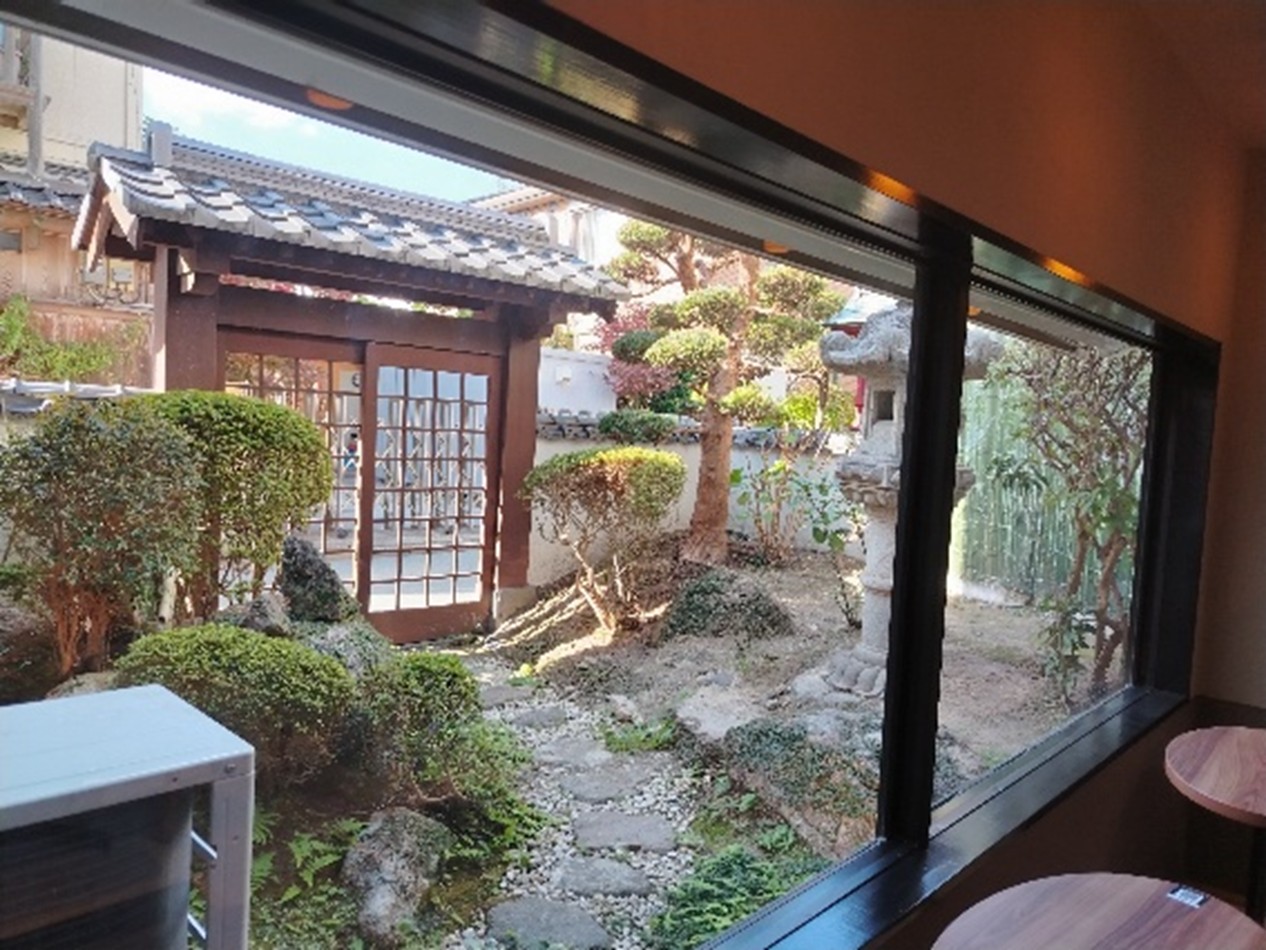
Recently, during a trip to Fukuoka, Japan, my host Kondou sensei took me to a modest restaurant in the historical town of Dazaifu. We sat near the front window, which opened onto a small Zen garden. At first glance, it looked serene: a few stones scattered across the moss, shrubs growing along the edges, gentle sunlight casting soft shadows over the ground.
But as I looked closer, the garden began to feel… uneven. The moss grew in patches, the stones were not arranged with obvious symmetry, and the shrubs seemed almost carelessly trimmed. I found myself puzzled. The Japanese are known for their meticulousness, especially in their gardens. How could they overlook something so central to the dining experience?

And then I remembered: wabi-sabi.
Wabi-sabi is the quiet art of finding beauty in an imperfect, transient, and incomplete world. It recognises that weathering, age, and irregularity are not flaws to be hidden, but truths to be honoured. Once that thought surfaced, the garden changed before my eyes. What once looked like neglect became serenity. Each uneven shrub, each patch of moss, became part of a composition that whispered rather than shouted.
I began to see wabi-sabi everywhere I went. In a tea house, the matcha bowls bore delicate cracks repaired with golden lacquer. Rather than disguising the break, the gold traced each fracture, turning the bowl’s wound into something luminous. In another corner of the city, an ancient torii gate stood darkened by time, its wood worn by decades of sun and rain. Nobody rushed to repaint it. Nobody felt the need to replace it with a newer one. Its weathered surface was allowed to speak of time, patience, and continuity.
In the park near my hotel, I noticed an old tree held up by ropes and wooden supports. It would have been easy to cut it down. But the city had chosen to preserve it; not for its usefulness, but because it had lived. Because it mattered.
Wabi-sabi is not a design trend or aesthetic trick. It is a lens through which we learn to see life more gently. In a world rushing toward perfection, whether it’s perfect skin, perfect careers, or perfect homes, wabi-sabi reminds us to breathe. It invites us to appreciate the cup of tea with a friend, the comfort of worn-out slippers, the quiet of an unplanned afternoon.
We often live in what feels like a race. Deadlines loom. KPI scores define worth. We polish our resumes, hide our tiredness behind smiles, and treat failure like a stain to scrub away. But life isn’t meant to be flawless. It’s meant to be real.
There is great compassion in wabi-sabi. When we stop demanding perfection from ourselves and others, we become more forgiving. We begin to accept ageing as a natural grace, not a personal defeat. We become less afraid of cracks, whether in objects, in plans, or in people. Even our work becomes freer, more creative, when we stop trying to impress and start trying to express.
There is also an ethic of care embedded in this philosophy. Instead of discarding something the moment it breaks, wabi-sabi encourages us to mend, to preserve, to value the story carried within the object. A repaired bowl. A restitched shirt. A memory held together by effort and gold. It reminds us of the importance of sustainability, of gentleness in consumption, and of respect for the things (and people) we often overlook.
As I finished my bowl of udon and prepared to leave the restaurant, I took one last look at the garden. The irregular moss and uneven shrubs no longer struck me as odd. Instead, they seemed, well, ‘alive’. They echoed something I had forgotten to hold close: that we are allowed to be incomplete. That it is enough to simply be.
A timeless haiku by 17th-century Japanese poet, Matsuo Bashō, comes to mind:
“An old pond,
A frog jumps in,
The sound of water.”
Nothing dramatic. Just a ripple. And perhaps that is all we need. Wabi-sabi, a small reminder to embrace things as they are.
Even ourselves.

The author is an Emeritus Professor of Biomedical Imaging at the Faculty of Medicine, Universiti Malaya.
About The Author