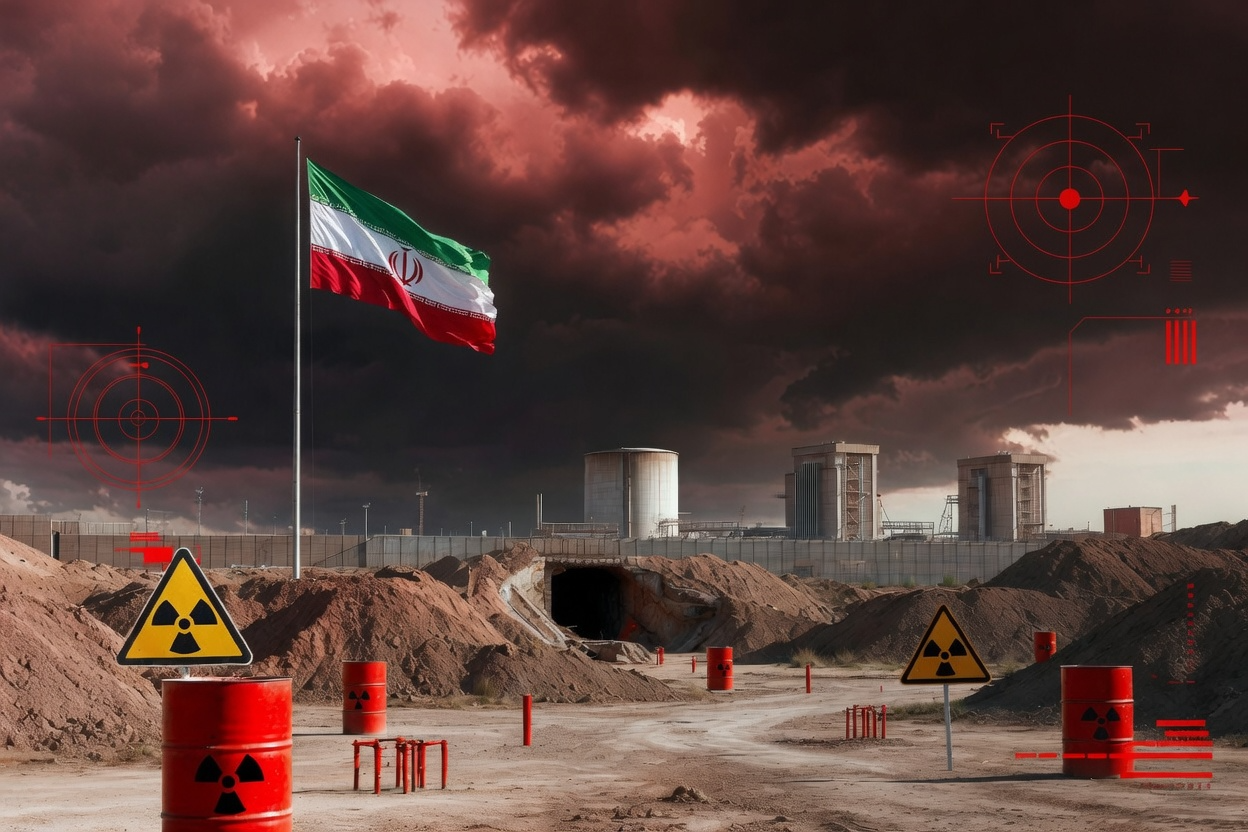
ISFAHAN, IRAN June 13, 2026 — In a dramatic escalation of defensive measures amid ongoing U.S.-Iran nuclear negotiations, Iran has deliberately collapsed tunnel entrances and booby-trapped them with explosive mines at its Isfahan nuclear complex to safeguard approximately half a ton of highly enriched uranium, according to U.S. intelligence sources.
The moves, reported by CNN on June 13, 2026, come weeks after U.S. officials considered a high-risk ground operation to seize the material — enough for roughly 10 nuclear devices if further processed — but paused those plans in favor of diplomatic talks.
Iran’s stockpile consists of uranium enriched to near-weapons-grade levels (around 60% U-235), with the bulk believed to be stored deep underground at the Isfahan facility in central Iran. The site has been a focal point of regional tensions following U.S. and Israeli strikes on Iranian nuclear infrastructure in 2025, which damaged surface buildings but left many underground tunnels largely intact.
Satellite imagery has previously shown Iran backfilling tunnel entrances with earth and reinforcing sites as early as February 2026. The latest actions represent a significant hardening: deliberate collapses and mine placement to deter any potential raid or seizure attempt.
The fortifications occur as Washington and Tehran engage in high-stakes negotiations. A potential framework deal could involve sanctions relief, reopening the Strait of Hormuz, and addressing Iran’s nuclear program, though core disputes remain over the fate of the enriched uranium and facility dismantlement.
U.S. President Donald Trump has described progress toward a “great deal,” while Israeli officials have expressed skepticism, pushing for complete dismantlement of Iran’s nuclear capabilities.
Iran has long maintained its nuclear program is for peaceful purposes, while the international community, including the IAEA, has raised concerns about the stockpile’s potential military applications.
By making the uranium harder to access, Iran strengthens its negotiating position — signaling that the material is non-negotiable without concessions, while raising the costs and risks of any military option. Experts note this “if we can’t have it, nobody can” approach echoes historical tactics in high-stakes proliferation standoffs.
No immediate comments from Iranian officials were available, but the actions align with Tehran’s pattern of fortifying key sites amid threats. U.S. intelligence continues to monitor the situation closely as talks proceed.
This development underscores the fragile balance between diplomacy and deterrence in one of the world’s most volatile nuclear flashpoints. Further updates are expected as negotiations advance.
About The Author