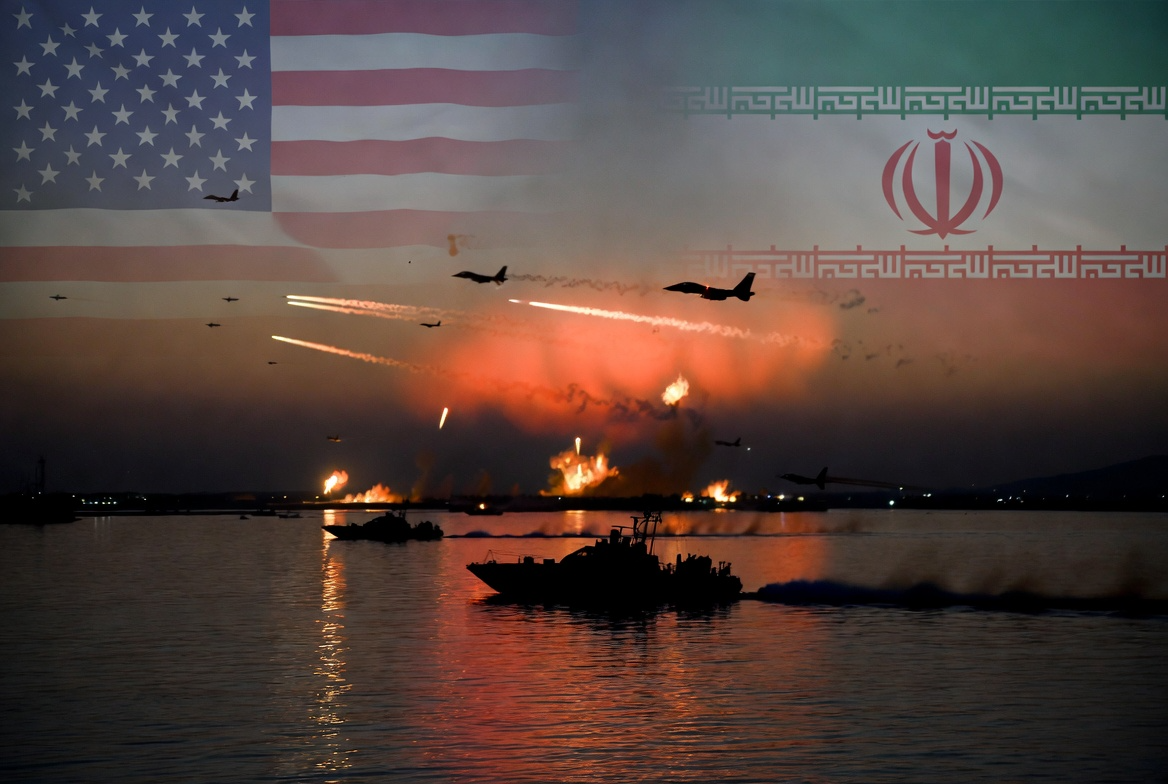
WASHINGTON/DOHA , May 27, 2026 — The United States carried out targeted military strikes in southern Iran on May 25-26, hitting missile launch sites and boats suspected of laying mines near the Strait of Hormuz, U.S. Central Command (CENTCOM) announced. Iran has condemned the action as a violation of the fragile ceasefire and vowed retaliation, even as peace negotiations continue in Qatar.
CENTCOM described the operation as a defensive measure “to protect our troops from threats posed by Iranian forces.” Targets included missile sites along Iran’s southern Gulf coast near Bandar Abbas and vessels attempting to deploy naval mines in the strategic waterway. A CENTCOM spokesperson emphasized that the strikes were limited and did not signal the end of the ceasefire, which has been in place for roughly seven weeks.
Iranian officials, including the Revolutionary Guard Corps, called the strikes a “gross violation” of the truce and asserted Tehran’s “definite right to retaliate.” Explosions were reported in the Bandar Abbas area, though casualty figures remain unconfirmed. Iranian state media claimed defensive actions, including the downing of at least one drone, but these reports have not been independently verified.
The incident comes as senior Iranian negotiators, led by Parliament Speaker Mohammad Bagher Ghalibaf and Foreign Minister Abbas Araghchi, arrived in Doha, Qatar, for talks aimed at ending the 2026 U.S.-Iran conflict. U.S. officials, including Secretary of State Marco Rubio, have described the negotiations as making progress, with potential elements including reopening the Strait of Hormuz, limits on Iran’s nuclear program, sanctions relief, and a broader regional framework.
President Donald Trump stated earlier that talks were “proceeding nicely,” while Rubio noted a deal could take “a few days” but was not imminent. The Strait of Hormuz, through which about one-fifth of global oil and gas shipments historically passed, has been largely closed by Iranian actions since the conflict intensified, disrupting global energy markets.
Oil prices fluctuated following the strikes amid concerns over further escalation and supply risks. Both sides have indicated they intend to keep diplomats at the table despite the military friction.
This marks another test for the ceasefire, which followed earlier rounds of direct exchanges earlier in 2026. Analysts warn that repeated incidents in the Gulf could undermine trust in the Doha process, though neither Washington nor Tehran appears eager for full-scale resumption of hostilities at this stage.
The situation remains fluid, with global markets and regional allies closely monitoring developments.
About The Author