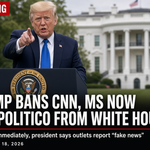
WASHINGTON D.C. February 20, 2026 – President Donald J. Trump has signed a sweeping executive order imposing a 10% tariff on goods imported into the United States from every country in the world, the White House announced late Friday.
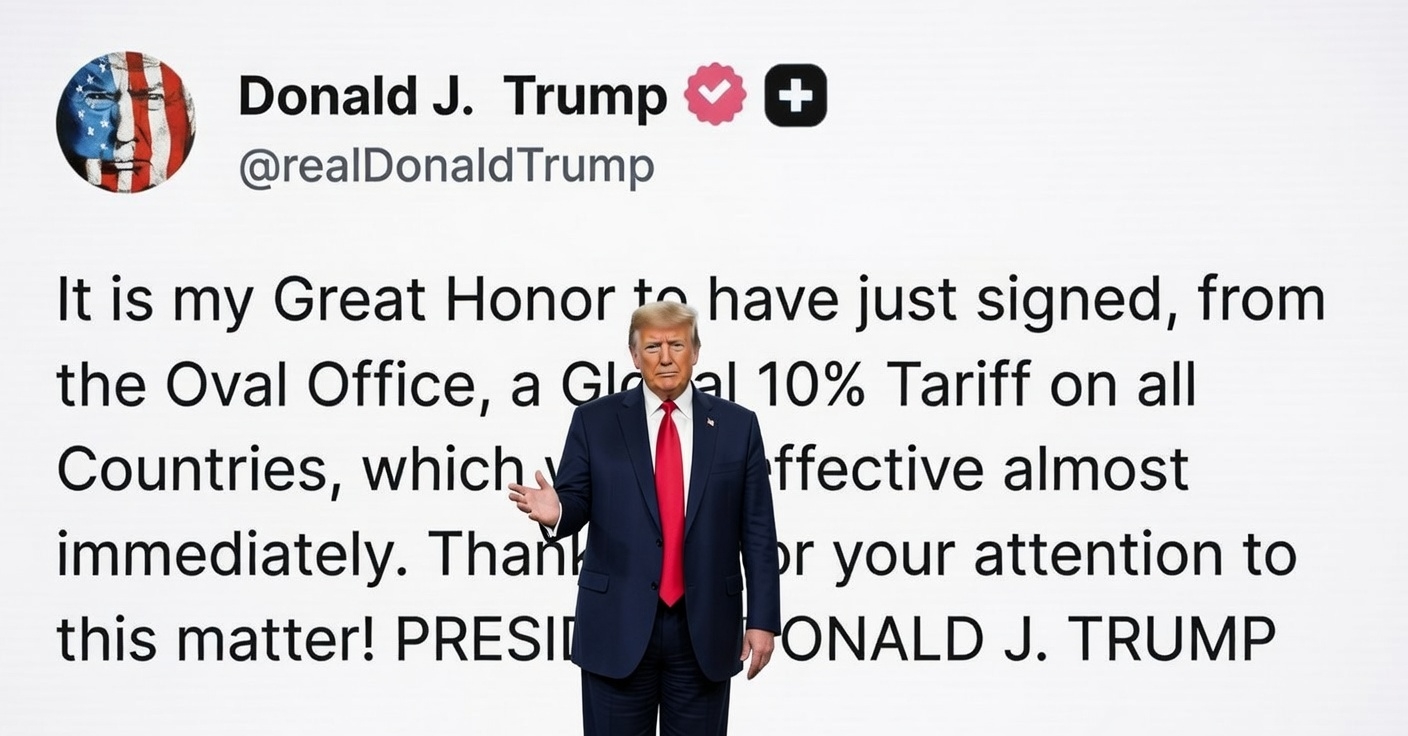
In a statement shared by the official @WhiteHouse account on X, the President declared:
“It is my Great Honor to have just signed, from the Oval Office, a Global 10% Tariff on all Countries, which will be effective almost immediately. Thank you for your attention to this matter!”
— President Donald J. Trump
The move comes just hours after the U.S. Supreme Court struck down many of Trump’s earlier broad tariffs in a 6-3 ruling, determining they exceeded the authority granted under the International Emergency Economic Powers Act (IEEPA).
White House officials confirmed the new blanket tariff is being implemented under Section 122 of the Trade Act of 1974, which permits temporary adjustments to import duties.
Impact on Global Trade — Including Malaysia
The universal 10% levy will raise the cost of virtually all imported goods entering the U.S. market, from electronics and automobiles to apparel, raw materials, and consumer products.
For Malaysia, a major U.S. trading partner, the tariff is expected to affect key exports including:
– Semiconductors and electrical machinery (Malaysia’s top export to the U.S.)
– Palm oil and palm-based products
– Rubber and rubber products
– Petroleum and optical/medical instruments
Bilateral trade between Malaysia and the United States exceeded US$50 billion in 2025. Malaysian manufacturers and exporters are now assessing the potential hit to competitiveness, with industry sources warning of possible price adjustments or supply-chain shifts.
Domestic and International Reactions
Supporters of the policy hail it as a strong “America First” measure to protect U.S. workers and reduce trade deficits. Critics, including economists and trade experts, argue the tariff functions as a tax on American consumers and businesses, likely driving up retail prices and risking retaliation from trading partners.
The European Union, China, Canada, Mexico, and ASEAN nations — including Malaysia — are expected to issue formal responses in the coming days. Markets are already reacting, with futures indicating volatility in global equities and currency markets on Monday.
The White House has not yet detailed any exemptions, phase-in periods, or targeted relief for allies beyond the “almost immediately” timeline stated by the President.
Life News Agency will continue to monitor developments, including market reactions in Kuala Lumpur and Putrajaya, as well as any statements from the Ministry of Investment, Trade and Industry (MITI) and the Malaysian External Trade Development Corporation (MATRADE).
About The Author