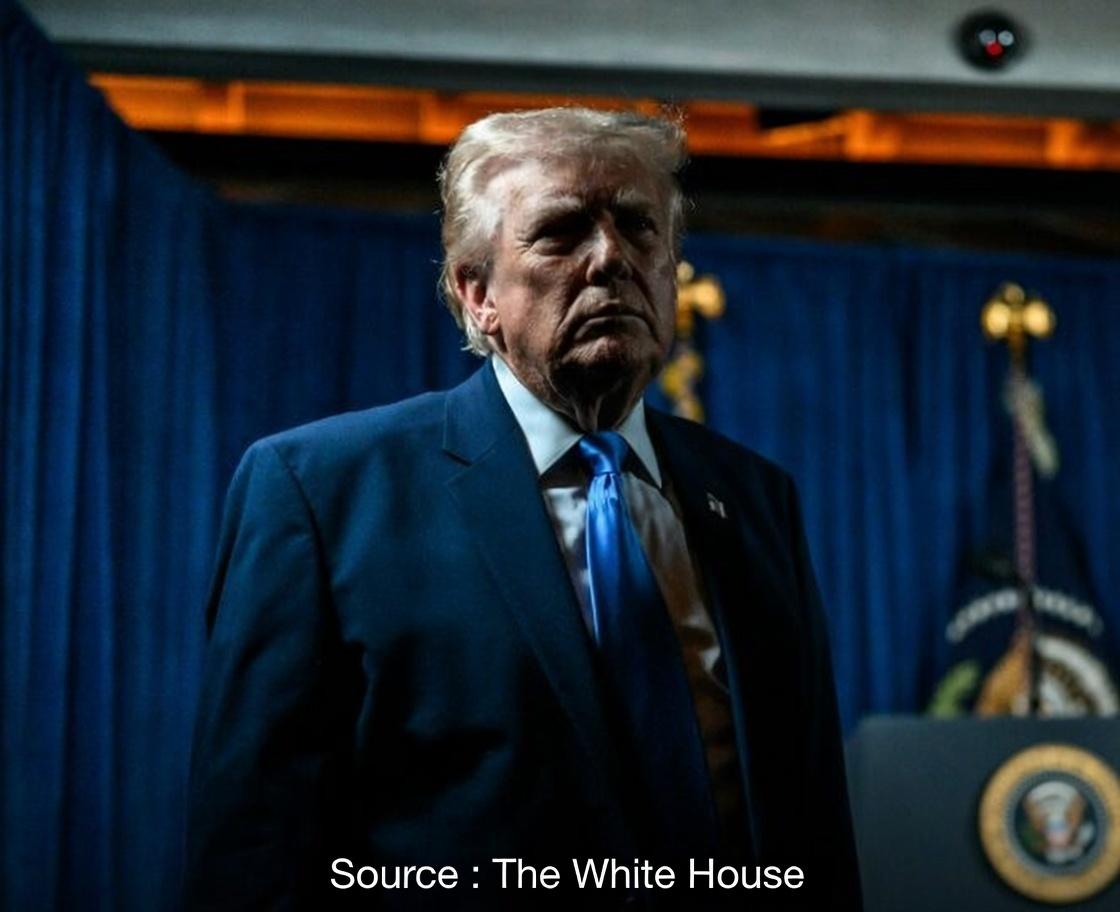
WASHINGTON D.C January 27, 2026 – President Donald Trump has issued a set of four specific demands to Minnesota Governor Tim Walz, Minneapolis Mayor Jacob Frey, and other Democratic officials, aiming to address the ongoing chaos in Minneapolis stemming from federal immigration enforcement operations. In a post from the official White House X account, Trump emphasized that compliance with these demands would “end the chaos” and promote public safety through enhanced cooperation on deportations.
The demands, detailed in the White House statement, include:
- Turning over all incarcerated illegal immigrants or those with active arrest warrants to federal authorities for immediate deportation.
- Committing state and local law enforcement to transfer arrested illegal immigrants to federal custody.
- Assisting federal authorities in tracking down and detaining illegal immigrants wanted for crimes.
- Partnering with the federal government to facilitate the rapid removal of all criminal illegal immigrants from the country.
Trump described these steps as “COMMON SENSE” measures to “MAKE AMERICA SAFE,” adding that his administration is prepared to collaborate with Democrats to achieve this goal. He further urged Congress to pass legislation abolishing sanctuary city policies, which he labeled the “root cause” of the current issues.
The unrest in Minneapolis has escalated following the launch of Operation Metro Surge late last year, which deployed approximately 3,000 personnel from Immigration and Customs Enforcement (ICE) and U.S. Customs and Border Protection (CBP) to the city. The operation targets concerns over widespread welfare fraud in Minnesota, but it has sparked widespread protests in the Twin Cities. Tensions peaked with two fatal incidents involving federal agents: the shooting of 37-year-old Renee Good on January 7, after she reportedly accelerated her SUV toward an officer, and the shooting of 37-year-old Alex Pretti on January 24 during a confrontation.
U.S. Attorney General Pam Bondi has echoed Trump’s calls, demanding that Walz provide access to Minnesota’s Supplemental Nutrition Assistance Program and Medicaid data, repeal sanctuary policies, and grant the Justice Department’s Civil Rights Division access to voter rolls. In response, Governor Walz rebuffed these requests during a press conference, stating, “There’s 2 million documents in the Epstein files we’re still waiting on. Go ahead and work on those.” He asserted that the state already cooperates by handing over jailed immigrants and accused federal officials of spreading falsehoods.
Mayor Frey defended Minneapolis’ sanctuary policies, which were recently strengthened by the city council, highlighting the significant federal presence enforcing immigration laws. Meanwhile, Trump announced he is dispatching “border czar” Tom Homan to Minnesota, describing him as “tough but fair” and noting that Homan will report directly to the president. Homan has prioritized gaining access to local jails as a key demand.
The White House’s stance comes amid broader criticism from Democratic leaders. Walz has called for the withdrawal of federal agents following the shootings, arguing they exacerbate tensions rather than resolve them. Reports indicate Trump has spoken directly with Walz, urging cooperation with ICE and emphasizing the need to “let cops be cops.” Some sources suggest the administration is adjusting its approach, including a change in local leadership and a softened tone regarding the protests, as public opinion polls show growing disapproval of the federal response.
Protests in Minneapolis have involved organized groups monitoring ICE activities, with allegations of funded agitation contributing to the disorder. Supporters of the operation maintain it is essential for enforcing immigration laws and addressing criminal activity. As the situation evolves, Trump has signaled a potential de-escalation by scaling back some federal agents while placing Homan in charge to “subdue the chaos.” The debate over sanctuary cities and federal-local cooperation continues to divide officials, with implications for immigration policy nationwide.
About The Author