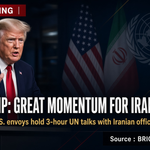
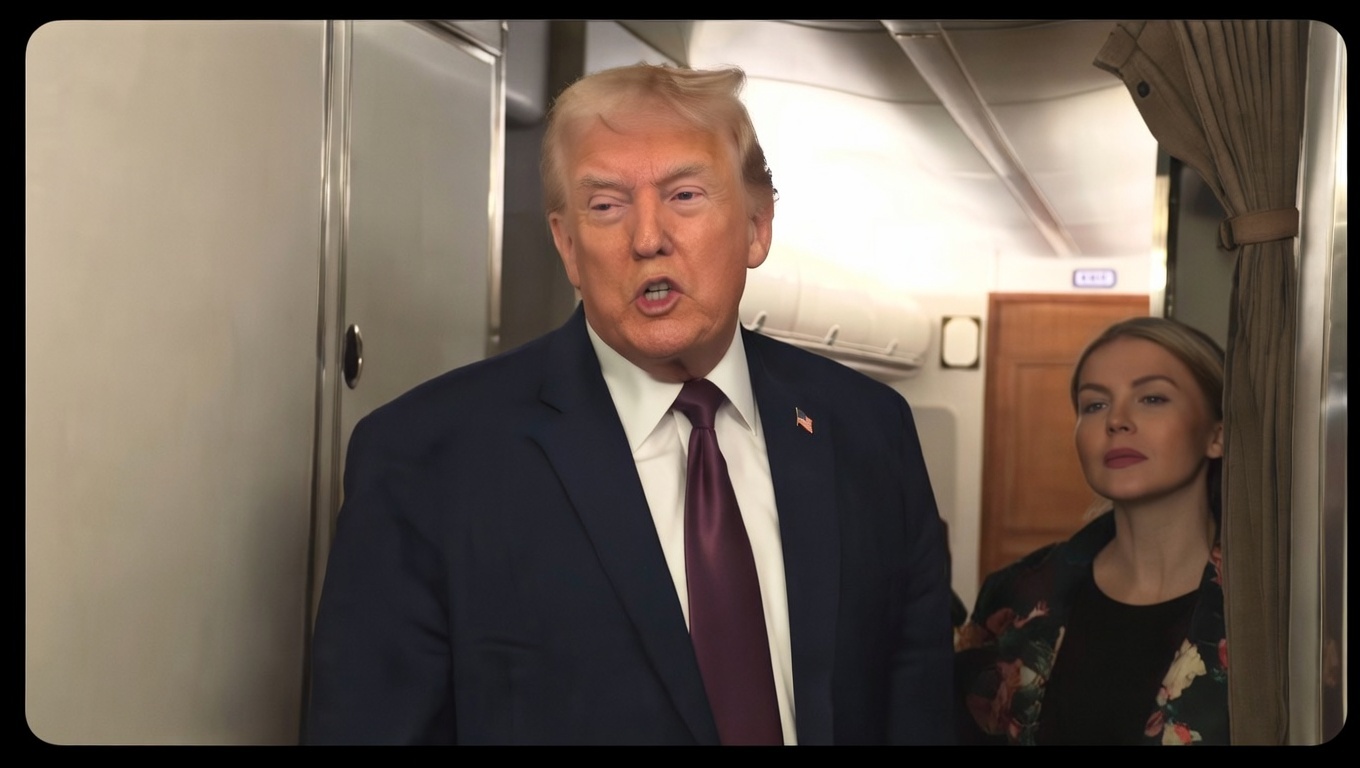
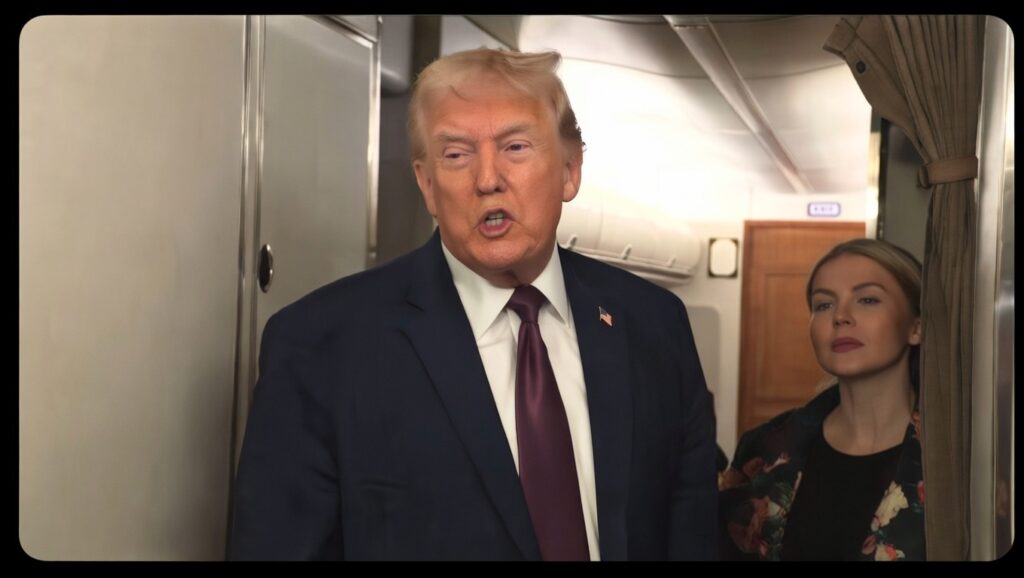
WASHINGTON, D.C. January 11, 2026 – U.S. President Donald Trump revealed on Sunday that Iranian leaders reached out to him the previous day, expressing a desire to negotiate, as nationwide protests in Iran enter their third week and tensions between the two nations escalate. Speaking to reporters aboard Air Force One while returning to Washington from his Mar-a-Lago residence in Florida, Trump suggested that Tehran’s motivation stems from exhaustion due to ongoing U.S. pressure.
“Yesterday, Iran called to negotiate. And the leaders of Iran called—they want a negotiation,” Trump stated in a video clip shared widely on social media. He added, “I think they’re tired of being beat up by the United States.” Trump further indicated that a meeting is being arranged, though he cautioned that military options remain under consideration if the situation deteriorates.
The announcement comes against the backdrop of massive anti-government demonstrations in Iran, the largest since 2022, sparked by economic hardships, corruption allegations, and calls for political reform. Reports from Tehran indicate a harsh crackdown by Iranian authorities, with mounting casualties and arrests drawing international condemnation. Trump has repeatedly voiced support for the protesters, describing them as “brave people” and warning Iran against further violence. Just days ago, he hinted at potential U.S. military intervention, stating that his administration is “mulling some very strong options.”
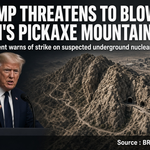
This development follows a period of heightened U.S.-Iran hostilities. In June 2025, Trump authorized airstrikes on three Iranian nuclear facilities in response to alleged violations of international agreements and support for proxy militias in the region. The strikes marked a significant escalation since Trump’s return to office, echoing his first term’s “maximum pressure” campaign through sanctions and isolation tactics.
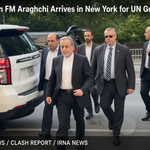
Iranian officials have not publicly confirmed the outreach, and state media in Tehran has dismissed Trump’s claims as “propaganda” aimed at inciting further unrest. However, sources within the U.S. administration, speaking on condition of anonymity, confirmed that preliminary discussions are underway to explore de-escalation pathways.
Analysts suggest that Iran’s potential willingness to negotiate could be driven by internal pressures from the protests, combined with economic strain from U.S. sanctions and recent military setbacks. “This shift doesn’t happen in a vacuum,” said Middle East expert Dr. Elena Ramirez of the Brookings Institution. “Tehran’s regime is facing existential threats at home and abroad, and Trump’s approach leaves little room for maneuvering.”
The White House has emphasized that any talks would require Iran to cease support for terrorist groups, halt nuclear advancements, and end proxy attacks in the region. Vice President J.D. Vance reiterated this stance, noting that genuine negotiations must address Iran’s nuclear program directly.
Reactions to Trump’s remarks have been mixed. Supporters praise the president’s tough stance as effective deterrence, while critics warn that inflammatory rhetoric could provoke unintended conflict. On social media, the news sparked debates, with some users hailing it as a diplomatic victory and others questioning the veracity of the claims.
As events unfold, the international community watches closely. European allies have urged restraint, while Israel and Gulf states have expressed support for U.S. pressure on Iran. The coming days may clarify whether this outreach leads to substantive dialogue or further confrontation.
This story is developing, with updates expected as more details emerge from Washington and Tehran.
About The Author